Ouchi-juku Travel Guide: A Journey Back to Japan’s Edo Period
There are places in Japan where you don’t just visit—you feel like you have stepped into another time. Ouchi-juku in Fukushima Prefecture is one of those places. Tucked away in the mountains of Shimogo Town, this historic village is famous for its rows of traditional thatched-roof houses and old-fashioned streetscape. The moment you arrive, it feels completely different from the modern cities of Japan.
If you have heard of Shirakawa-go in Gifu and love the idea of exploring traditional Japanese villages, Ouchi-juku should be on your northern Japan itinerary. While the two villages are different, Ouchi-juku offers a similar feeling of traditional Japan, with beautifully preserved houses, local food, small shops, and a quiet mountain setting.
I visited Ouchi-juku during the Obon holiday, when many people in Japan travel with their families. It was one of the busiest days I experienced there. The traffic jam stretched for almost 1 kilometer, but despite the crowds, I was excited to finally see this famous village for myself.
What Is Ouchi-juku Famous For?
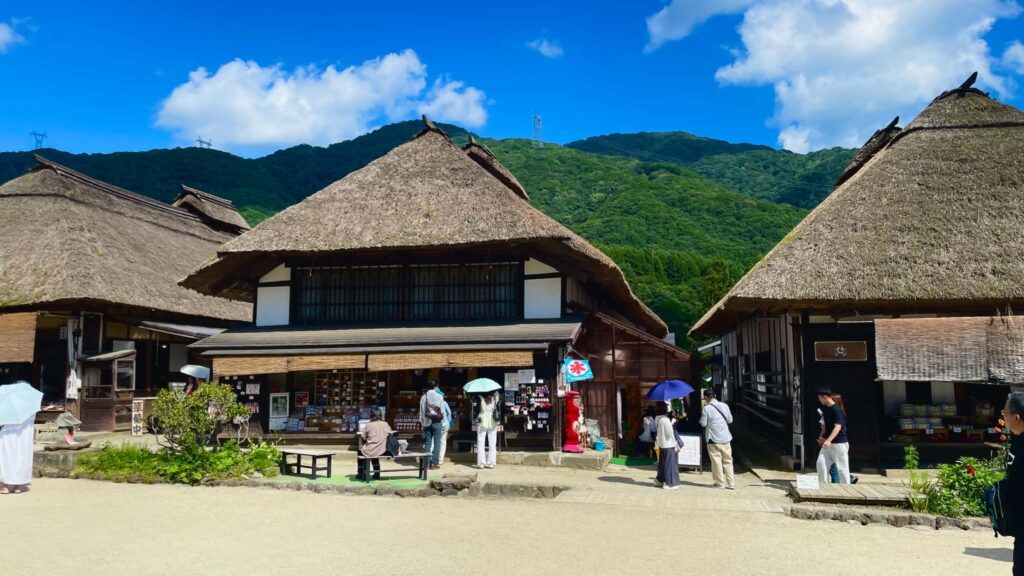
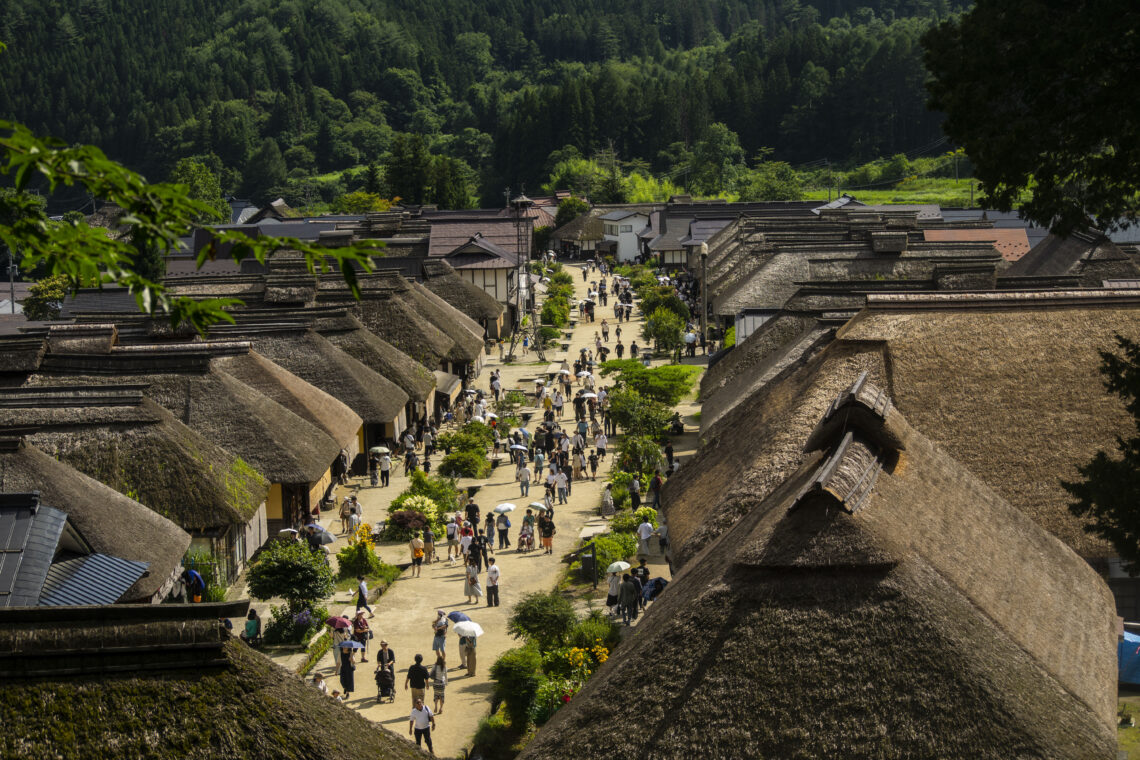
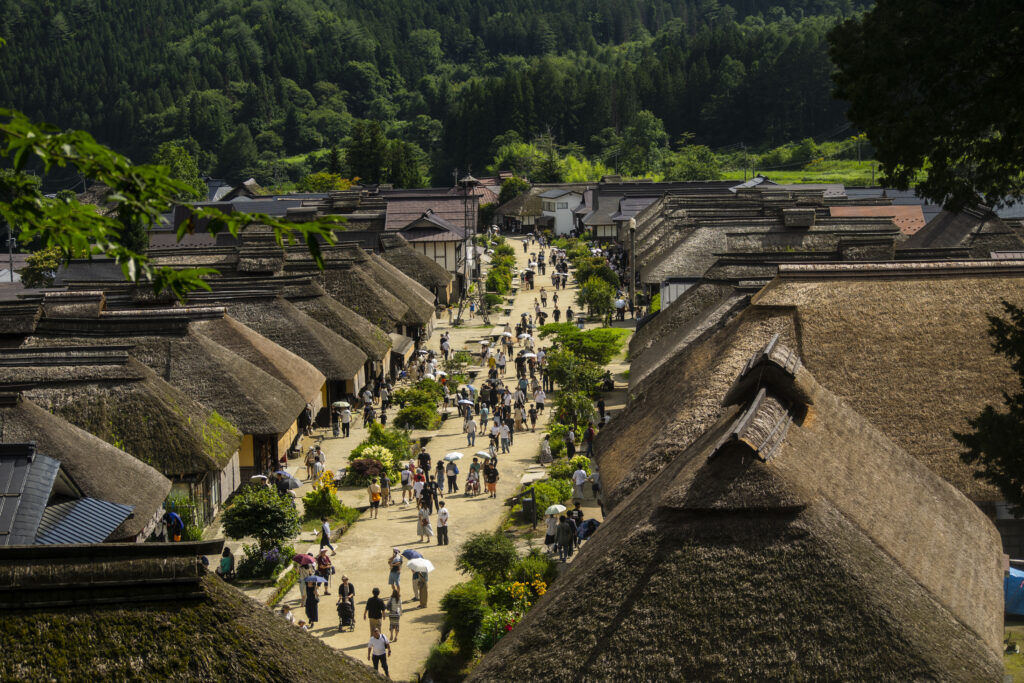
Ouchi-juku is a former post town that has preserved its traditional appearance, particularly its distinctive thatched-roof houses arranged along the main street.
Today, many of these traditional houses are still in use. Some operate as restaurants, while others have become souvenir shops, cafés, and small businesses serving visitors.
What makes Ouchi-juku special is that it doesn’t feel like a collection of old buildings sitting behind glass. The village is still alive. People live, work, eat, shop, and welcome travelers here.
As you walk through the main street, you can see traditional architecture on both sides, with the surrounding mountains completing the picture.
For travelers interested in Japanese history, culture, photography, and traditional architecture, it is an easy place to spend several hours exploring.
My First Experience at Ouchi-juku
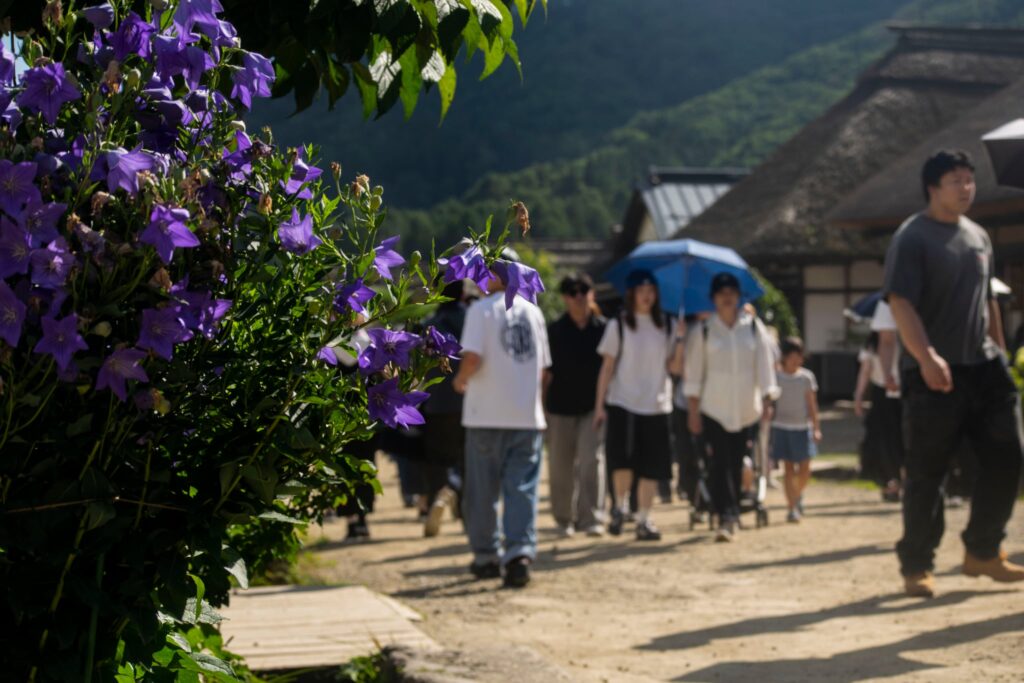
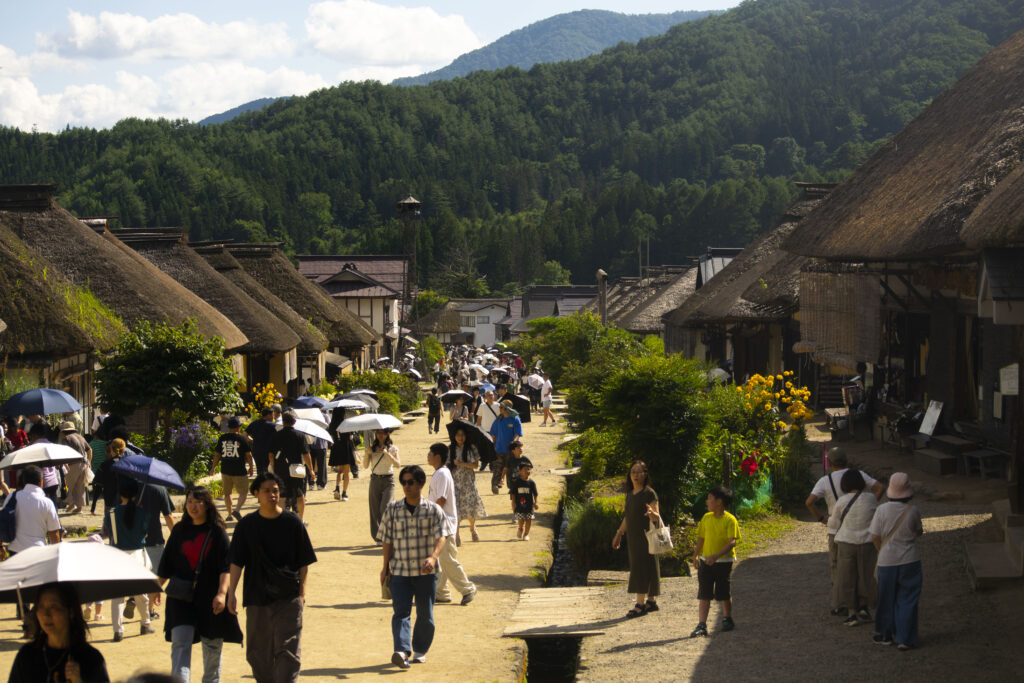
I visited Ouchi-juku during the Obon holidays, so I already expected it to be busy. But I wasn’t prepared for just how crowded the road would be.
There was a traffic jam stretching for almost one kilometer on the way to the village. Since I was traveling by motorbike, I had a little more flexibility. Whenever I saw a safe space to move forward, I carefully rode ahead rather than sitting in the long line of cars.
The day itself was beautiful and sunny. Families were arriving together, couples were exploring the area, and I also noticed both domestic and international solo travelers. Everyone seemed excited to discover the village.
Ouchi-juku and Shirakawa-go: Are They Similar?
If you are searching for a traditional Japanese village similar to Shirakawa-go, Ouchi-juku may come up as an alternative.
Both places are known for traditional houses with steep thatched roofs and beautiful rural surroundings. However, they are not identical, and each has its own character.
Shirakawa-go is particularly famous for its distinctive gassho-style houses and dramatic mountain landscape. Ouchi-juku, on the other hand, is known for its historic post-town atmosphere and traditional buildings arranged along the old main street.
If you are already traveling through Fukushima or the Tohoku region, Ouchi-juku can be a great way to experience this side of traditional Japan without traveling all the way to Gifu.
For me, that was one of the attractions. You don’t always have to follow the most famous tourist route to experience traditional Japan.
How to Get to Ouchi-juku
Getting to Ouchi-juku is relatively easy, especially if you are traveling from Aizuwakamatsu. One convenient option is to take the train from Aizuwakamatsu Station to Yunokami Onsen Station.
A round-trip ticket costs ¥2,200 for adults and ¥1,100 for children, and the ticket is valid for two days. From Yunokami Onsen Station, you can take the shuttle bus to Ouchi-juku, which takes around 25 minutes.
If you only need the shuttle bus between Yunokami Onsen Station and Ouchi-juku, the fare is ¥1,100 for adults and ¥500 for children.
The bus drops you near the entrance of Ouchi-juku, making it a convenient choice if you don’t have your own vehicle.
Shuttle Bus Timetable: Yunokami Onsen Station → Ouchi-juku
| Departure from Yunokami Onsen Station | Arrival at Ouchi-juku Entrance |
| 9:45 AM | 10:05 AM |
| 10:30 AM | 10:50 AM |
| 11:30 AM | 11:50 AM |
| 12:15 PM | 12:35 PM |
| 1:35 PM | 1:55 PM |
| 2:55 PM | 3:15 PM |
Important: Transportation schedules and fares can change, so check the latest information before your trip, especially if you are visiting during a holiday or peak season.
Best Time to Visit Ouchi-juku
Ouchi-juku is a year-round destination, and each season offers a different atmosphere.
Spring brings fresh greenery and a pleasant atmosphere.
Summer gives the village a lively feeling, with green mountains surrounding the traditional houses.
Autumn can be especially beautiful when the surrounding mountains change color.
Winter transforms Ouchi-juku into a completely different scene, with snow covering the thatched roofs and surrounding landscape.
However, the best time for you will depend on whether you prefer scenery, weather, photography, or fewer crowds.If avoiding crowds is important to you, I would personally recommend visiting on a weekday and outside major Japanese holidays.My Obon experience was fun, but the traffic and crowds definitely added extra time to the journey.
My Tips for Visiting Ouchi-juku
- Avoid major holidays if possible: Obon, New Year, and other Japanese holidays can bring large crowds. If your schedule is flexible, visiting on a normal weekday is a better option.
- Start early: Arrive in the morning to enjoy the village before the biggest crowds arrive. Early morning is also a better time for taking photos without too many people in the background.
- Allow extra travel time: Don’t make your itinerary too tight. During my Obon visit, traffic was backed up for almost 1 kilometer, so even a short journey can take much longer during busy periods.
- Bring some cash: Although cashless payment is becoming common in Japan, some small shops and local businesses may have limited payment options. Carrying some Japanese yen is always useful when visiting rural areas.
- Wear comfortable shoes: You will spend most of your time walking around the village. Comfortable shoes will make it easier to explore the traditional streets and surrounding areas.
- Respect the village: Ouchi-juku is a historic community, not just a tourist attraction. Avoid blocking entrances, be considerate when taking photographs, and follow local rules and signs.
- Don’t rush your visit: Ouchi-juku is not a huge village, so there is no need to hurry. Take your time to admire the traditional houses, explore the shops, try local food, and enjoy the atmosphere.
Is Ouchi-juku Worth Visiting?
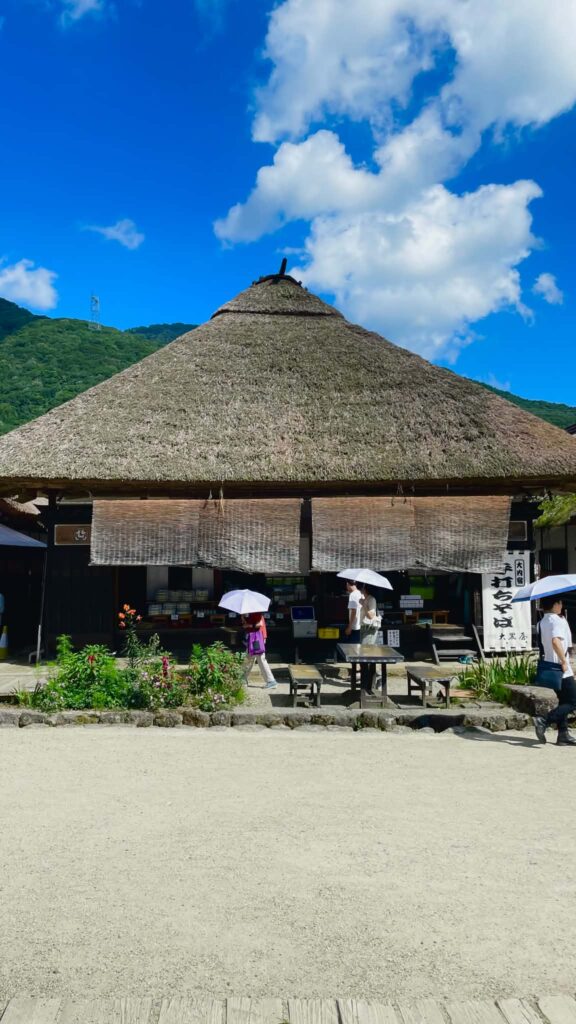
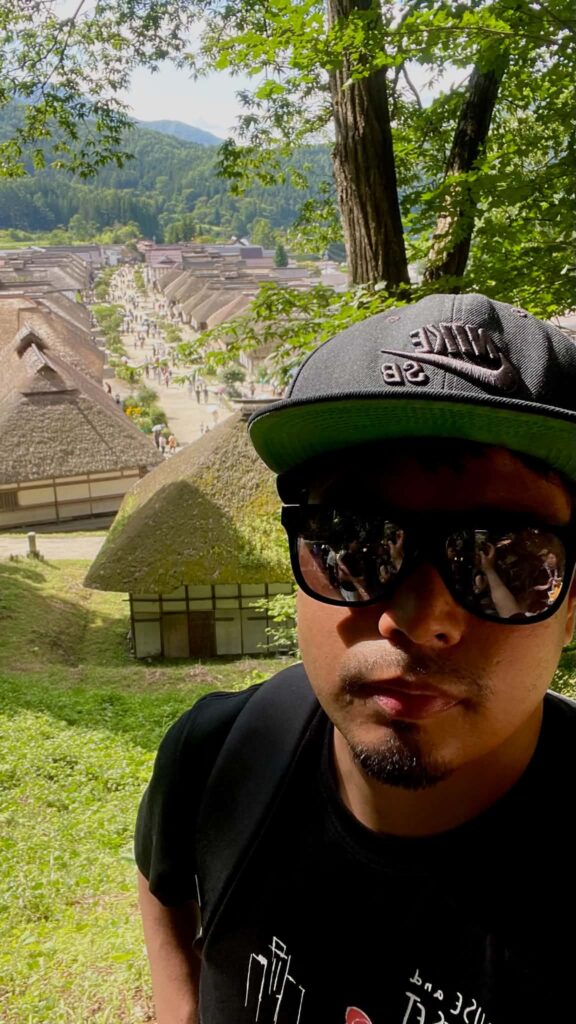
Yes, especially if you are interested in traditional Japan.
Ouchi-juku may not be the largest attraction in Fukushima, but that is part of its charm. You can experience traditional architecture, local food, rural scenery, and Japanese history in one compact village.
For international travelers exploring Tohoku, it is also a great opportunity to see a different side of Japan away from Tokyo, Kyoto, and Osaka.
And if you are already visiting Aizuwakamatsu, adding Ouchi-juku to your itinerary makes even more sense.
Ouchi-juku My Day Trip Budget
Here is a simple budget of my visiting Ouchi-juku
| Expense | Approximate Cost |
| Motobike Parking Fee | 0 ¥ |
| Entry fee | 0 ¥ |
| Light Snacks and Drinks | 1000 ¥ |
| Transportation Cost For me | 5L petrol 800 ¥ (As I travel from motorbike) |
| Total Budget | 1800 ¥ |
Final Thoughts
My visit to Ouchi-juku during the Obon holiday was certainly crowded. The one-kilometer traffic jam wasn’t exactly the peaceful countryside experience I had imagined, but once I stepped into the village, I understood why so many people were willing to make the journey.
The traditional thatched houses, clean open water streams, wooden benches, mountain surroundings, and small local businesses created a feeling that was difficult to find in modern Japan.
For a moment, I forgot about the traffic outside.
I simply walked through the village, looked at the old houses, watched people exploring, and imagined what this place might have looked like centuries ago.
If you are planning a trip through Fukushima or the Tohoku region, I think Ouchi-juku deserves a place on your itinerary. It is a beautiful reminder that Japan isn’t only about neon cities, bullet trains, and crowded tourist attractions. Sometimes, the most memorable experiences come from slowing down and walking through a small village that has managed to keep its history alive.

Saroj Surkheti
A freelance traveler with a passion for exploring the unknown on my own terms. I enjoy hiking remote trails, camping under open skies, and sharing real experiences, travel tips, and stories along the way. For me, every journey is more than an adventure — it’s a chance to connect, discover, and inspire others to explore the world freely.


You May Also Like
Tenjinhama Auto Camp: A Peaceful Day Beside Lake Inawashiro, Fukushima
Mt. Azuma-Kofuji Hiking Guide: Trail Information, Personal Experience & Travel Tips in Fukushima