Mt. Azuma-Kofuji Hiking Guide: Trail Information, Personal Experience & Travel Tips in Fukushima
Whenever I need a short escape from my daily routine, I look for places where I can reconnect with nature. Sometimes the destination itself is incredible, while other times it’s the journey that leaves the biggest impression. My summer trip to Mt. Azuma-Kofuji in Fukushima Prefecture turned out to be both.
Often called “Little Mount Fuji,” Mt. Azuma-Kofuji is one of the most recognizable volcanic mountains in the Tohoku region. Although it isn’t Japan’s tallest mountain, its nearly perfect cone-shaped crater gives it a striking resemblance to the country’s famous Mt. Fuji. Standing at 1,705 meters, this active volcano attracts hikers, photographers, road-trippers, and nature lovers from all over Japan and abroad.
Located inside Bandai-Asahi National Park, Mt. Azuma-Kofuji forms part of the larger Azuma Mountain Range, which also includes Mt. Issaikyō (1,949 m) and Mt. Nishi-Azuma (2,035 m). The volcanic activity that shaped these mountains also created several beautiful lakes, including the famous Goshiki-numa (Five Colored Lakes), making this area one of Fukushima’s most spectacular natural destinations.
Unlike many mountain hikes that require hours of climbing, Mt. Azuma-Kofuji offers something special—it allows almost anyone to experience a volcanic landscape with only a short walk. Whether you’re traveling with children, visiting with family, or simply looking for an easy day trip, this mountain is an excellent choice.
My Motorcycle Journey
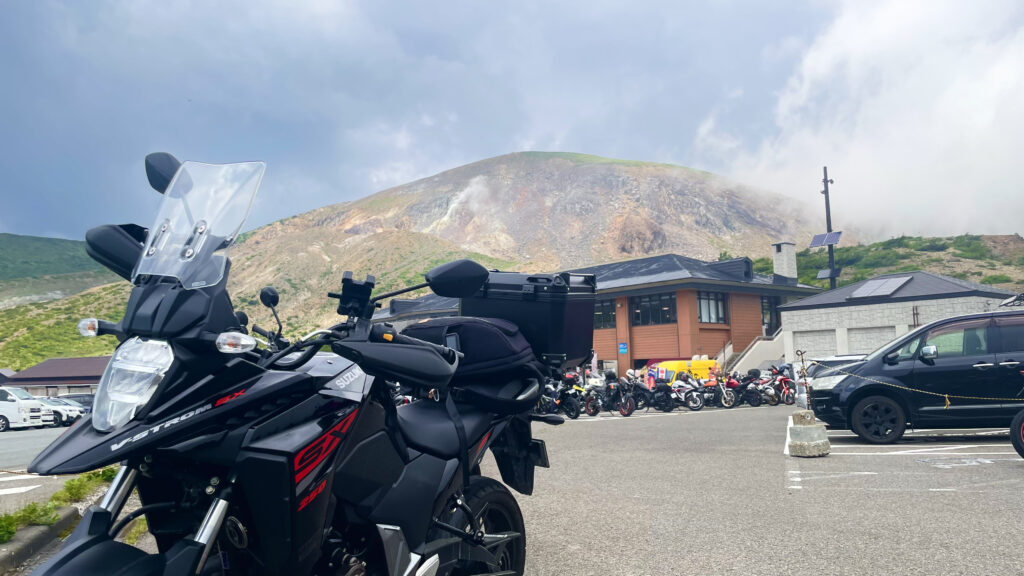
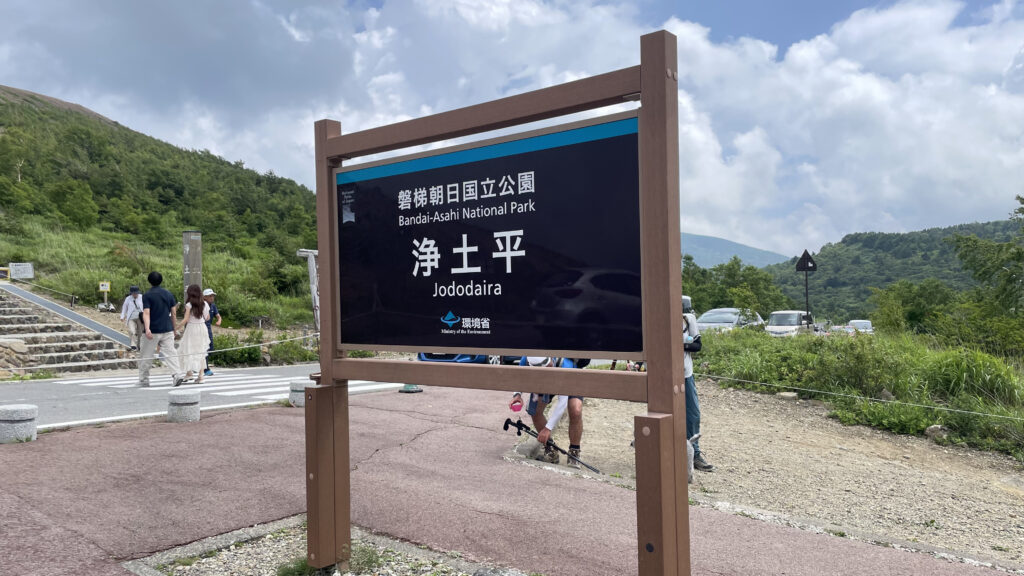
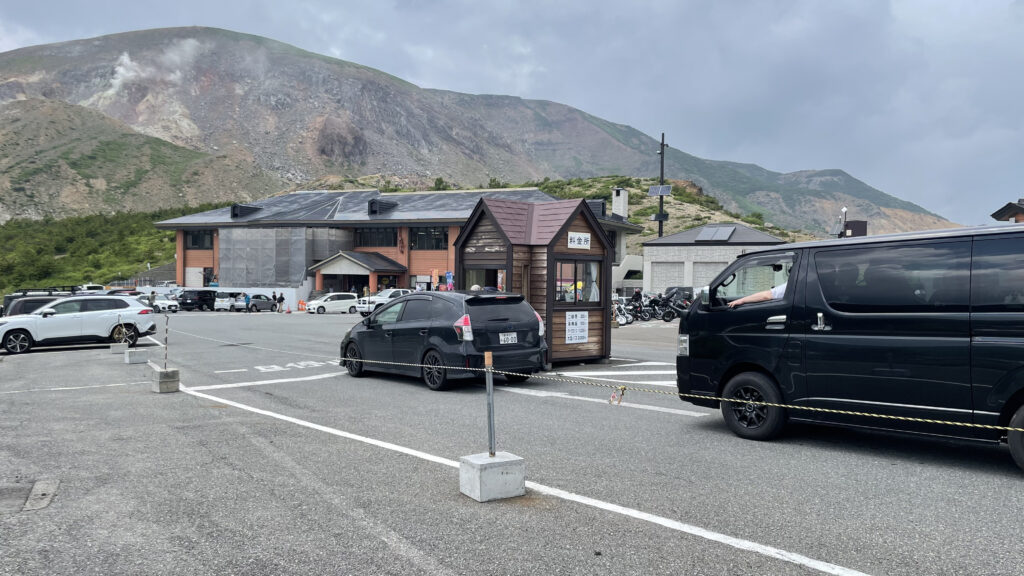
My trip began early in the morning with a motorcycle ride that took a little over two hours from my home. I wasn’t in a hurry to reach the mountain because, for me, traveling is about enjoying every moment—not simply arriving at the destination.
Instead of riding straight there, I stopped at nearly every scenic viewpoint along the way. The roads were lined with vibrant summer greenery, and each viewpoint revealed another breathtaking panorama of Fukushima’s mountains. Every stop gave me another reason to appreciate how beautiful this region truly is.
As I climbed higher along the winding mountain roads, the atmosphere changed noticeably. The air became cooler and fresher, while the bright summer sunshine created perfect riding conditions. With every curve, I felt more relaxed. There is something incredibly peaceful about riding through mountain roads with nothing but nature surrounding you.
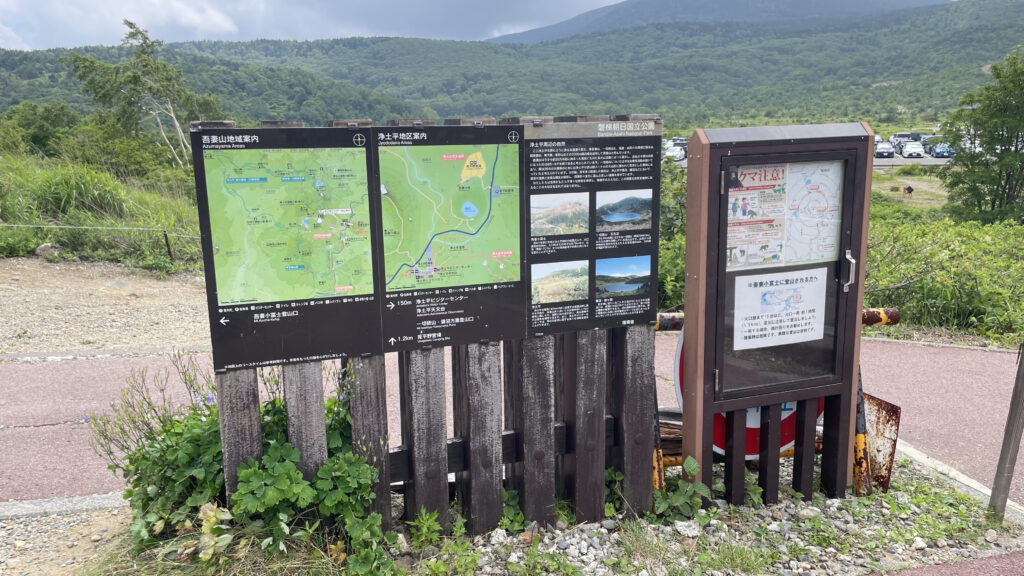
Eventually, I reached the Jododaira Parking Area, the main starting point for hiking Mt. Azuma-Kofuji.
To my surprise, a long line of vehicles was already waiting to enter the parking area. Since it was summer, many visitors had come to enjoy the mountain. The parking fee is collected at the entrance gate, but I hadn’t prepared any cash beforehand.
I quickly pulled my motorcycle to the side and searched through my bag for my wallet. While I was worried about delaying everyone behind me, the driver of the car waiting behind remained completely calm. There was no honking, no impatience—just a quiet smile and a willingness to wait until I was ready.
It was a small moment, but it reminded me why I enjoy traveling around Japan. Acts of patience and courtesy like this may seem ordinary, but they leave a lasting impression on visitors.
Hiking Mt. Azuma-Kofuji: A Short Climb with Incredible Rewards
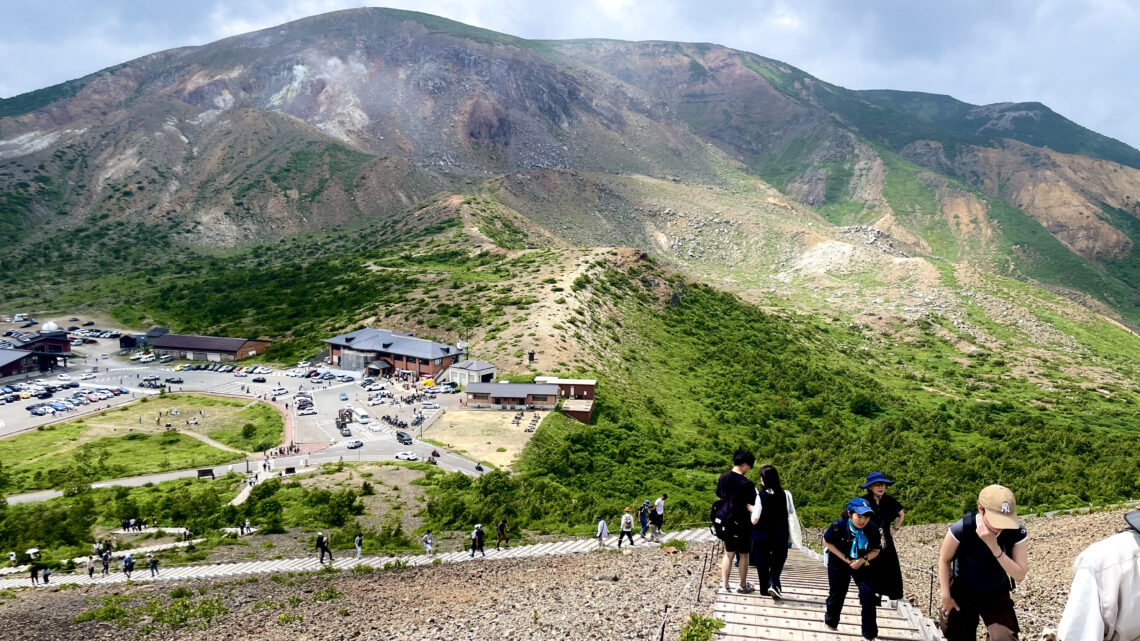
Standing in the parking area and looking up at Mt. Azuma-Kofuji, I was surprised by how close the summit looked. Unlike many mountain hikes that require hours of climbing through forests, this adventure begins almost immediately. The mountain’s cone-shaped crater dominates the landscape, and from the base you can already see the wooden staircase winding its way toward the rim.
One of the things I appreciated most about Mt. Azuma-Kofuji is that the trail is accessible to almost everyone. Whether you’re an experienced hiker or someone simply looking for a relaxing day in nature, the climb is manageable and enjoyable.
Climbing to the Crater Rim
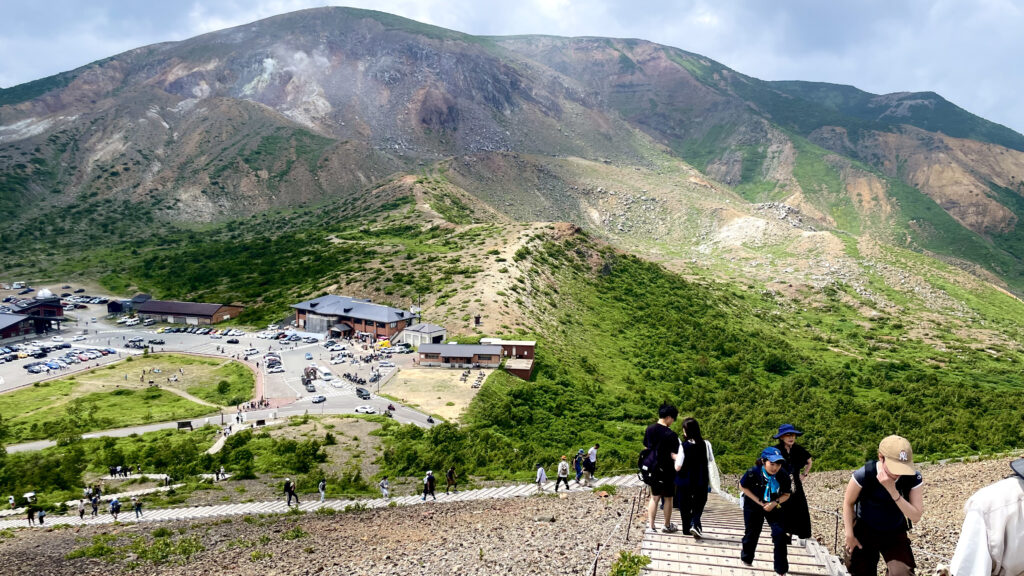
The hike starts from the Jododaira Parking Area, where a series of well-built wooden stairs leads directly to the top. The trail is clearly marked and easy to follow, making it an ideal destination for first-time hikers and families.
At my own pace, it took me around 15 minutes to reach the crater rim. The climb is steady but not overly demanding, and there are plenty of opportunities to pause, catch your breath, and admire the surrounding scenery.
As I climbed higher, I noticed hikers of every age sharing the trail. Young children excitedly raced ahead, parents encouraged their families, and older hikers steadily made their way upward with smiles on their faces. Seeing three generations enjoying the same mountain together reminded me that hiking isn’t always about conquering difficult peaks. Sometimes, it’s simply about spending time outdoors and appreciating nature.
Walking Around the Crater
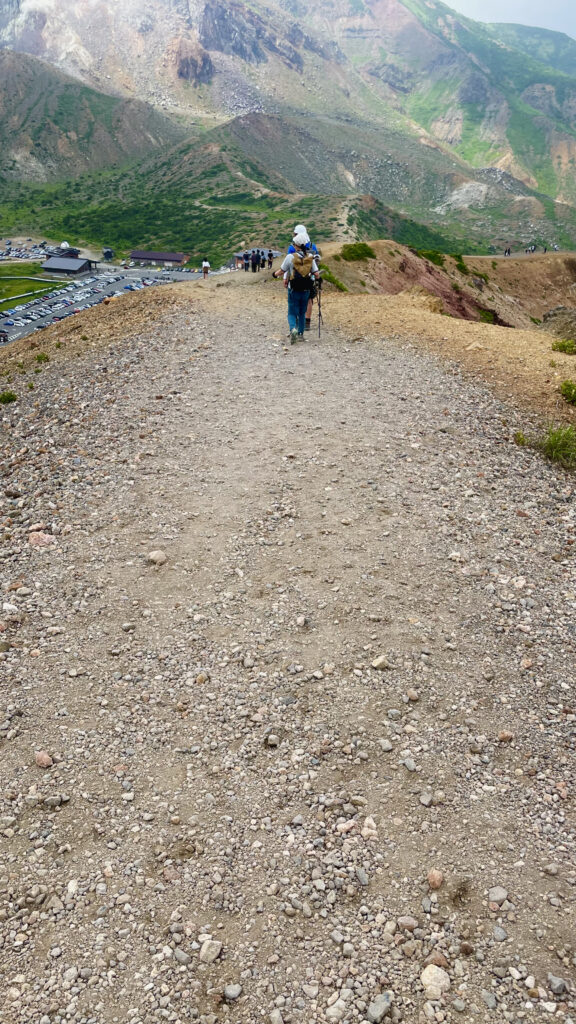
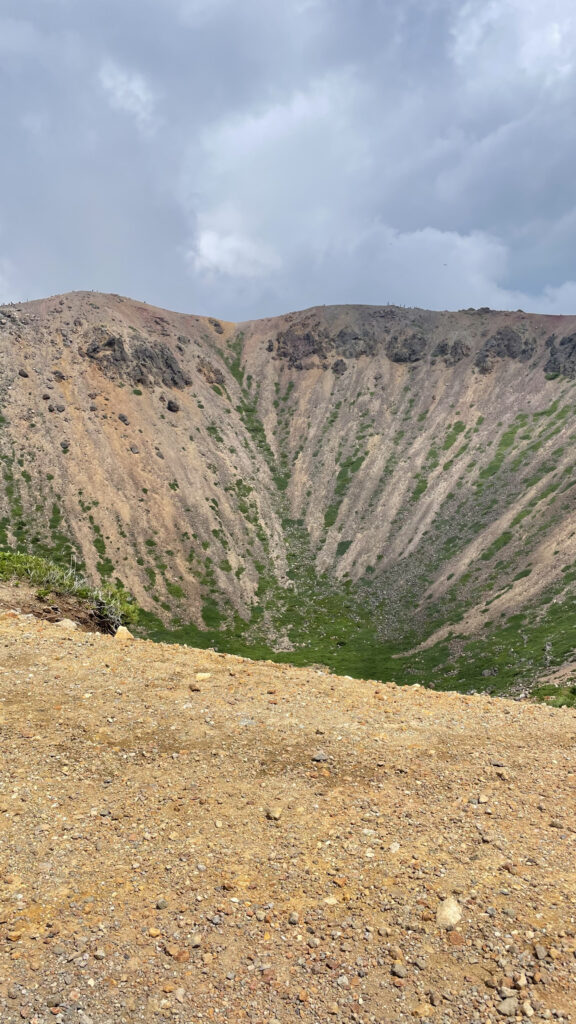
While many visitors climb to the rim, take a few photos, and head back down, I highly recommend completing the full circuit around the crater.
Walking the entire rim takes approximately 45 minutes to one hour, depending on how often you stop to enjoy the scenery. I wasn’t in any hurry. I wanted to experience every angle of the mountain, so I took my time, paused frequently, and let nature set the pace.
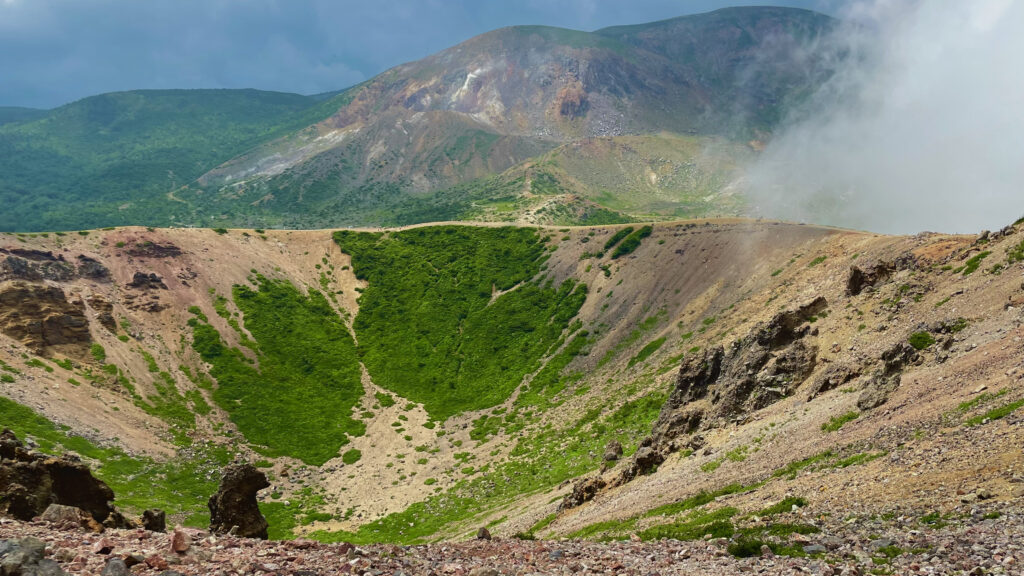
The circular trail also gives you a much better appreciation of the volcano’s perfect cone shape. From different viewpoints, you begin to understand why this mountain earned the nickname “Little Mount Fuji.”
The Mountain Weather Changes Quickly
One lesson I learned during my visit is that mountain weather can change without warning.
Although I visited during summer on what began as a beautiful sunny day, the conditions changed constantly. Roughly every 15 minutes, the scenery looked different. Bright sunshine would suddenly disappear behind drifting clouds before the blue sky returned again a short time later.
These changing conditions completely transformed the landscape. Sunlight illuminated the volcanic slopes one moment, while mist and cloud shadows created a mysterious atmosphere the next.
Do You Need Hiking Shoes?
If your plan is simply to climb the wooden staircase to the crater rim and return to the parking area, comfortable walking shoes are generally enough.
However, if you want to complete the full loop around the crater, I strongly recommend wearing proper hiking shoes.
Some sections of the crater trail are covered with loose volcanic gravel, uneven rocks, and slippery surfaces. Good footwear provides better grip and helps you feel more confident, especially if the weather changes or the ground becomes damp.
It’s a small investment that makes the experience much more comfortable and safe.
A View Worth Remembering
The highlight of my visit wasn’t reaching the top—it was simply sitting there and enjoying the moment.
From the crater rim, I looked across the surrounding mountains, the vast volcanic landscape, and the famous Bandai-Azuma Skyline winding gracefully through the hills below.
Since I visited on a weekend, there was a steady stream of motorcycles driving along the Skyline. From above, the road looked like a giant ribbon twisting through the mountains. Every now and then, the sound of motorcycle engines echoed through the valley, creating an atmosphere that reminded me of watching a MotoGP race surrounded by nature.
As a motorcycle traveler myself, I couldn’t help but smile. Watching riders enjoy one of Japan’s most scenic roads while standing on the rim of an active volcano was a unique experience I won’t soon forget.
Approximate Travel Budget
One reason I enjoy traveling around Japan is that many amazing places can be explored without spending a fortune.
Here’s an approximate budget for a day trip:
| Expense | Estimated Cost |
| Parking Fee | Motorbike 200 yen Car 500 yen |
| Fuel (motorcycle) | Depends on your starting location |
| Drinks and snacks | ¥500–¥1,000 |
| Lunch | ¥1,000–¥2,000 |
Note
Traveling by motorcycle helped keep my transportation costs low while making the journey much more enjoyable.
Coming with friends will save extra cash of transportation.
Travel Tips & Awareness Before You Visit
- Visit early in the morning to avoid crowds, especially on weekends and public holidays.
- Prepare cash for parking fees in entry gate
- If you plan to walk around the crater, wear proper hiking shoes with good grip.
- Start Walking crater from left side it will be easy and safe.
- Bring a lightweight jacket or raincoat because the weather can change quickly.
- Don’t rush your visit. Spend some time sitting on the crater rim and simply enjoy the scenery.
- Check the weather forecast before driving the Bandai-Azuma Skyline, as strong winds or poor visibility can occasionally affect conditions.
- Be respectful of nature by staying on the designated trail and taking all of your rubbish home.
- Bring a camera or drone (where permitted) because the volcanic landscape offers incredible photography opportunities.
- To save extra budget bring bento from local combini or supermarket.
- There is place to enjoy bento while looking view.
- If you want fast food or want to eat on Jododaira Parking it may consume time depend on number of tourist.
How to Get to Mt. Azuma-Kofuji
One of the reasons Mt. Azuma-Kofuji is so popular is its easy accessibility.
If you’re driving from Inawashiro, it takes approximately 50 minutes by car. Travelers coming from Fukushima City can reach the mountain in around 55 minutes. Both routes follow the famous Bandai-Azuma Skyline, one of Japan’s most scenic mountain roads.
The drive itself is part of the adventure. As you gain elevation, the lush forests gradually give way to rugged volcanic terrain, creating a dramatic contrast that makes the journey just as memorable as the destination. Along the Skyline, there are several observation points where you can safely stop to admire the mountains, take photographs, and enjoy the fresh alpine air.
Note
No-public vehicle access
Final Thoughts
When I first planned this trip, I expected to enjoy a short volcanic hike and a scenic motorcycle ride. What I didn’t expect was how memorable the entire experience would become.
From riding through the lush mountain roads of Fukushima to standing on the rim of an active volcano, every part of the journey reminded me why I love exploring Japan. It wasn’t about conquering a difficult mountain or chasing a famous landmark. Instead, it was about slowing down, breathing fresh mountain air, and appreciating the quiet beauty that surrounded me.
One of my favourite memories wasn’t even on the trail. It was the peaceful moment I spent sitting on the crater rim, watching clouds drift across the mountains while listening to the distant sound of motorcycles winding their way along the Bandai-Azuma Skyline. It was one of those simple travel moments that can’t be planned but stays with you long after you’ve gone home.
If you’re searching for an easy hike with extraordinary views, a unique volcanic landscape, and one of Japan’s most scenic mountain drives, Mt. Azuma-Kofuji deserves a place on your itinerary. Whether you’re a first-time visitor to Fukushima, a passionate hiker, or a fellow motorcycle enthusiast, I believe this destination has something special to offer.

Saroj Surkheti
A freelance traveler with a passion for exploring the unknown on my own terms. I enjoy hiking remote trails, camping under open skies, and sharing real experiences, travel tips, and stories along the way. For me, every journey is more than an adventure — it’s a chance to connect, discover, and inspire others to explore the world freely.

You May Also Like
Tenjinhama Auto Camp: A Peaceful Day Beside Lake Inawashiro, Fukushima
Lake Hibara Travel Guide: Sightseeing Boating, Hiking, Mt. Bandai Views & Budget Tips